
If you’re thinking of building a dating app in 2026, here’s the uncomfortable truth:
Most dating apps don’t fail because of bad tech — they fail because no one cares enough to stay.
Swipes are easy.
Matches are cheap.
Retention, trust, and real connections are not.
In 2026, users are exhausted by look-alike dating apps that promise “better matches” but deliver the same dopamine loop with a new UI. AI has raised expectations. Privacy concerns have changed behavior. And app stores are brutal to products without a clear reason to exist.
So the real question isn’t “How do I build a dating app?”
It’s “How do I build one that people actually open again tomorrow?”
This guide breaks that down — clearly and practically.
You’ll learn:
-
- What features actually matter in a 2026 dating app (and what to ignore)
- How to define a lean MVP without overbuilding
- Where AI fits — and where it’s just noise
- And how early-stage dating apps can grow without burning money
Whether you’re a founder, product manager, or investor validating an idea, this isn’t a generic checklist. It’s a reality-first playbook for building a dating app that can survive today’s user behavior, app store economics, and AI-driven expectations.
Let’s start with the foundation — what a dating app really is in 2026, and what users subconsciously expect from it.
How to Create a Dating App: Step-by-Step
Below is a practical, step-by-step guide that explains how to create a dating app from idea to launch.
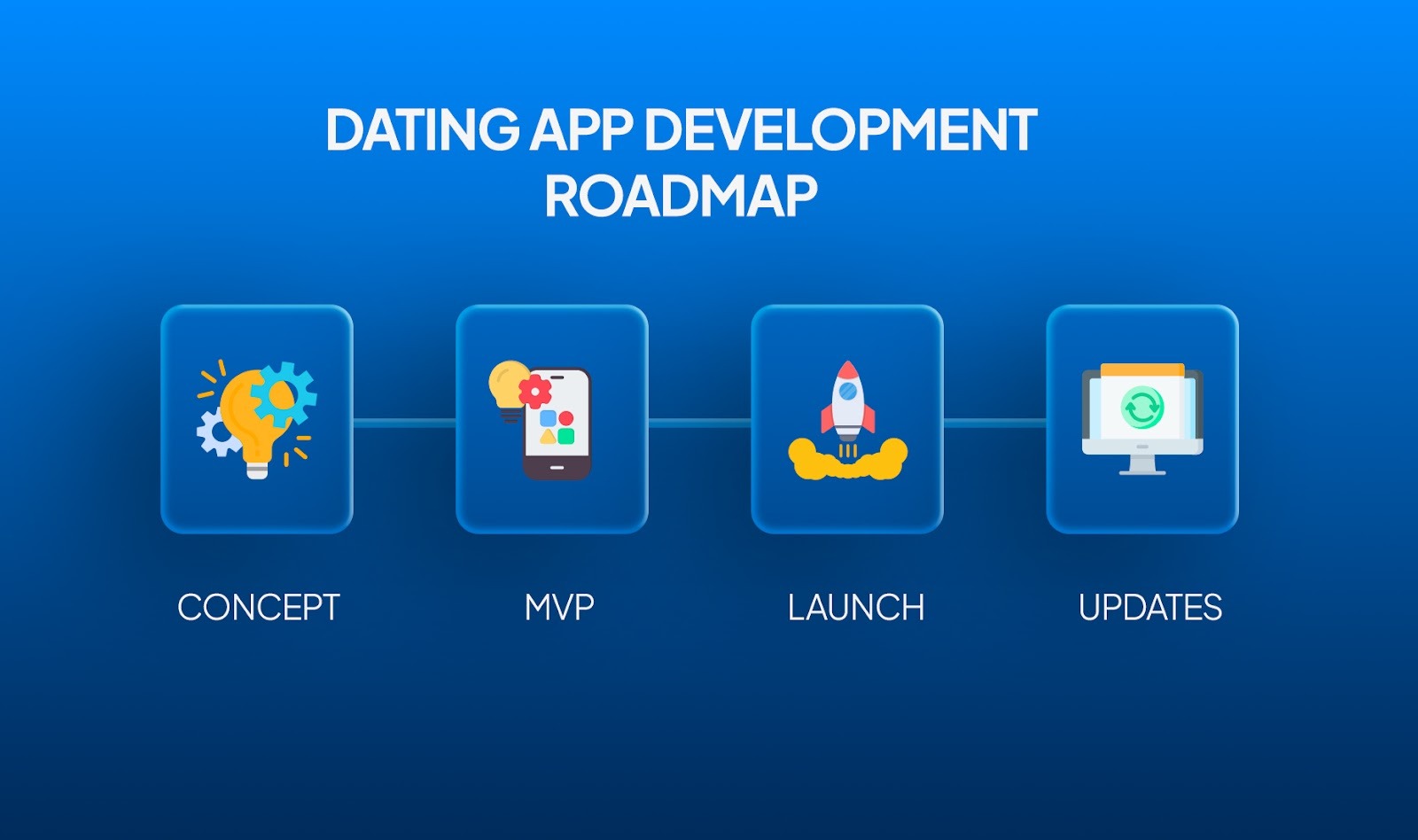
Step 1: Shape Your Concept
The first step in understanding how to create a dating app is having a clear idea of what your app will offer. Without a strong concept, it’s easy to add unnecessary features or lose focus during development.
When shaping your concept, consider the following:
-
- Who your audience is: Decide the age group, interests, and location of the people you want to connect. Knowing your audience helps you design features they will actually use.
- What makes your app stand out: Identify what will make your app different from other dating platforms. It could be unique matching methods, special filters, or a specific niche.
- What dating style you want to support: Are you focusing on casual dating, serious relationships, interest-based connections, or community-focused interactions?
- What problem you want to solve: Think about the pain points users face on existing apps. Solving a real problem makes your app more appealing.
Having a clear concept at the start ensures the rest of the development process stays focused. It saves time, reduces unnecessary costs, and helps you create an app that people actually enjoy using.
Step 2: List Your Core Features
When planning how to create a dating app, it’s important to focus on the essential features first. These are the functions that make your app usable and engaging from day one. Adding too many extra features too early can complicate the app and increase costs.
Must-Have Features
-
- Smooth onboarding: A simple and quick sign-up process helps users get started without frustration.
- Profile creation: Users should be able to add photos, personal details, and interests easily.
- Matching options: Include swipe gestures or list views so users can browse and connect with potential matches.
- Chat or messaging: Allow users to communicate securely within the app once a match is made.
- Basic filters: Filters for age, location, and interests help users find more relevant matches.
- Report or block: Safety is crucial. Users should be able to report or block others to maintain a secure environment.
These core features form the foundation of your app. Once these are in place, you can think about adding extra features to enhance the experience and stand out in the market.
Additional Features (After the MVP)
Once your basic version is running smoothly, you can add extra features to enhance the user experience and make your app stand out:
-
- Location-based suggestions: Recommend matches nearby to encourage real-world connections.
- Ice-breaker questions: Help users start conversations more easily.
- Audio or video prompts: Allow users to share short clips to make profiles more engaging.
- Profile badges: Highlight active users, verified accounts, or premium members.
- Short intro videos: Give users the option to introduce themselves creatively.
Start small with the MVP, then gradually expand. Adding these features later ensures your app remains simple and user-friendly while growing its appeal.
Step 3: Understand the Technical Setup
You don’t need to be a tech expert to understand how to create a dating app, but it helps to know the basic structure of how it works. A clear understanding makes planning easier and ensures the app runs smoothly.
Here are the main components:
- Android and iOS apps: Your app needs to work on both platforms so it reaches a wider audience.
- Backend system: This stores all user information, including profiles, matches, and messages. It keeps data secure and ensures the app functions properly.
- Admin dashboard: A dashboard allows you to manage users, monitor activity, and handle reports efficiently.
- APIs for messaging and matching: APIs connect different parts of the app, allowing smooth chat and accurate match suggestions.
A trusted development partner can manage all these technical details so you can focus on the app concept and user experience. If you want support, Emvigo’s Mobile App Development Services can guide you through planning, building, and launching your dating app with ease.
Step 4: Design the App (UI/UX)
A clean and simple interface makes a strong first impression. When planning how to create a dating app, focusing on user-friendly design is essential. A well-designed app keeps users engaged and makes it easy for them to navigate.
Key elements your design should include:
-
- Easy navigation: Users should move between screens without confusion. Clear menus and simple gestures help.
- Simple profile layout: Profiles should be easy to read, with photos, personal details, and interests displayed clearly.
- Smooth matching actions: Swiping, tapping, or listing matches should feel natural and responsive.
- Clean chat screens: Conversations should be simple, clutter-free, and easy to follow.
- Clear call-to-action buttons: Buttons like “Like,” “Match,” or “Send Message” should be obvious and easy to use.
Good design also builds trust. A polished, intuitive interface encourages users to spend more time on the app.
Step 5: Build the MVP
The MVP (Minimum Viable Product) is the first working version of your app. When understanding how to create a dating app, starting with an MVP is the smartest approach because it helps you focus on what’s truly important. Instead of building everything at once, you launch the core features first and test how users respond.
An MVP usually includes:
-
- Profile creation – Users sign up, add photos, and share basic information.
- Matching – Simple matching options help users connect through swipes or list-based suggestions.
- Chat – A basic messaging system so matched users can talk.
- Settings – Essential options like notifications, privacy choices, and account controls.
- Basic safety options – Features like report and block to keep the platform secure.
Starting with an MVP helps you gather early feedback from real users before investing heavily in advanced features. This way, you can fix issues, refine the experience, and build only what your audience truly needs.
Step 6: Test With Real Users
Testing is a major part of understanding how to create a dating app that feels smooth, stable, and ready for real use. Before launching your app publicly, it’s important to test every feature with real users so you can spot issues early.
During testing, check the following:
-
- Login and verification – Make sure sign-up and OTP processes work without delays.
- Profile flow – Ensure users can add photos, edit details, and update preferences smoothly.
- Matching speed – Confirm matches appear quickly and accurately.
- Chat performance – Check message sending, delivery, and notifications.
- Loading time – All screens should load fast without freezing.
- Design alignment – Buttons, icons, and layouts should appear clean and consistent.
- Bugs or crashes – Fix any errors that affect the experience.
Proper testing helps prevent negative early reviews and builds trust among users right from the start. It also gives you confidence that your app works the way you intended.
Step 7: Add Safety Controls
Safety is a must for any dating platform. If you want to understand how to create a dating app that people feel comfortable using, strong safety features should be part of your plan from the start. These features help protect users, reduce misuse, and build long-term trust.
Important safety controls include:
-
- Report and block – Lets users instantly remove unwanted interactions.
- Profile verification – Adds an extra layer of trust by reducing fake accounts.
- Safe messaging rules – Helps prevent harmful or inappropriate behaviour.
- Location privacy – Ensures users don’t share their exact location.
- Content checks – Keeps photos and profiles appropriate and respectful.
Good safety controls make users feel confident, which is essential for any dating platform to grow.
Step 8: Release and Grow the App
At this stage, you’re close to completing the full journey of how to create a dating app. Once the app is ready, it’s time to release it on the app stores and help it grow steadily.
After release, focus on:
-
- Collecting feedback – Pay attention to what early users say.
- Fixing bugs – Solve issues quickly to improve stability.
- Releasing updates regularly – Add fixes, polish the design, and improve performance.
- Introducing premium features – Add boosts, subscriptions, or add-ons once the base works well.
- Monitoring performance – Track downloads, matches, message activity, and retention.
If you want continued support after launch, Emvigo provides end-to-end app maintenance and ongoing upgrades as part of their Mobile App Development offerings.
Where AI Fits — and Where It’s Just Noise
AI can be a helpful tool in dating apps, but it’s not a magic solution for every feature. Using it wisely means improving the user experience without overcomplicating your app.
Where AI helps:
-
- Smart matching: AI can suggest potential matches based on user behaviour, preferences, and interactions. This helps users find relevant connections faster.
- Content moderation: AI can automatically detect inappropriate photos, messages, or profiles, keeping your platform safe.
- Personalised recommendations: Suggesting conversation starters, ice-breaker questions, or events based on user interests can make the app feel more engaging.
Where AI is mostly noise:
-
- Overcomplicated matching algorithms: Fancy AI that promises perfect matches often adds little real value early on. Simple filters and basic algorithms are enough for an MVP.
- Chatbots for user interaction: Unless your app is large-scale, automated chat responses can feel impersonal and frustrate users.
- AI-generated profile suggestions: Features that try to rewrite user bios or photos can seem gimmicky and may reduce trust.
Tip for early-stage apps: Focus on AI that saves time, improves safety, or enhances meaningful connections. Avoid adding AI just because it sounds “advanced.” Start simple, and scale AI features once your core app proves popular.
Growth Tips for Your Dating App
Building the app is just the first step — getting users and keeping them engaged is key. Here are practical tips to grow your platform:
1. Focus on Early Users
Engage a small group of users first. Gather feedback, fix issues, and use their experience to improve the app before a wider launch.
2. Referral Programs
Encourage users to invite friends by offering perks like free boosts or premium access. Word-of-mouth can significantly boost growth.
3. Social Media Presence
Promote your app on platforms where your target audience spends time. Share engaging content, success stories, and updates to build trust and awareness.
4. Push Notifications & Email
Send timely, personalised notifications to keep users active. Remind them of new matches, messages, or special features.
5. Incentivise Engagement
Add features like badges, profile highlights, or seasonal challenges to encourage daily activity. Active users attract new users.
6. Monitor Metrics
Track key metrics like downloads, matches, messages, and retention. Use this data to optimise features, fix drop-off points, and improve growth strategies.
With these steps, you can attract more users, keep them engaged, and gradually scale your dating app successfully.
Understanding the Cost of Creating a Dating App
When planning how to create a dating app, one of the first questions founders ask is how much it will cost. There is no fixed price because every app is built differently. Costs depend on factors such as the number of features, supported platforms (Android, iOS, or both), design complexity, safety controls, backend structure, and whether the app includes chat or video functionality.
As a starting point, dating app development typically begins at around $30 per hour for development services. For a complete project, a basic dating app MVP usually starts from $50,000, covering core features like user profiles, matching, chat, and basic safety controls.
This cost can increase if you add advanced features such as live video, multiple filters, real-time notifications, profile verification, or premium design elements. Similarly, launching on both Android and iOS will cost more than starting with a single platform.
Building a Minimum Viable Product (MVP) is the most cost-effective approach. It allows you to launch with essential features, test the app with real users, and invest in additional functionality only after validating demand. This approach helps control budget, reduce risk, and ensure your app evolves based on real user feedback.
To get a precise estimate, founders can contact Emvigo’s team, who can provide a detailed breakdown of costs based on your specific requirements and help plan your app development efficiently.
Revenue Models for Your Dating App
Understanding how your dating app will make money is just as important as building it. The key is not using every revenue model, but choosing the ones that fit your users and app stage.
Here are the revenue models that actually work, and when to use them:
Subscriptions (Best for long-term growth)
Subscriptions work well once users see real value in your app. Offer paid plans for features like unlimited swipes, advanced filters, or seeing who liked their profile. This model provides predictable income and supports steady growth.
Boosts (High-impact, low commitment)
Boosts are ideal for users who don’t want a subscription but still want more visibility. Charging for short-term profile promotion encourages quick purchases without long-term commitment.
Priority Visibility (Works in competitive apps)
If your app has many active users, priority placement or highlighted profiles can perform well. Users pay to stand out when competition is high, especially in popular locations.
Ads (Only after scaling)
Ads make sense only when your app has a large, active user base. Showing ads too early can harm user experience. Use ads carefully so they don’t disrupt matches or conversations.
One-Time Purchases (Good for engagement)
Features like extra swipes, virtual gifts, or special badges allow users to spend small amounts occasionally. These work best as add-ons, not primary revenue sources.
What Actually Works Best
Most successful dating apps combine subscriptions with boosts, then add ads or one-time purchases later. Start simple, track user behaviour, and expand only when users clearly see value.
A strong revenue model should feel optional, not forced. When users enjoy the experience, they are far more likely to pay.
FAQs: How to Create a Dating App
How to create a dating app from scratch?
Start by defining your target audience, list essential features, build an MVP, test it with real users, and then launch. Focus on simplicity first, not advanced features.
How much does it cost to create a dating app?
The cost depends on features, design complexity, and platforms. A basic MVP costs less, while apps with video, advanced filters, and safety features cost more.
How long does it take to create a dating app?
A basic dating app MVP usually takes 10–14 weeks. More complex apps take longer depending on features and testing needs.
Do I need technical skills to create a dating app?
No. You only need a clear idea and goals. A development team can handle design, development, and technical setup.
What features are essential in a dating app?
Core features include user profiles, matching, messaging, filters, and safety options like block and report.
How do dating apps make money?
Dating apps earn through subscriptions, profile boosts, priority visibility, ads, and one-time purchases.
Is it better to launch on Android or iOS first?
It depends on your audience. Many founders launch on both platforms, but starting with one can reduce initial costs.
How do I keep a dating app safe for users?
Add profile verification, report/block options, content moderation, and privacy controls to protect users.
Bring Your Dating App Idea to Life
Creating a dating app in 2026 doesn’t have to be complicated. With a clear idea, the right features, and a focus on user safety and experience, you can build a platform that people trust and enjoy. Start with an MVP, test with real users, and grow step by step. With careful planning and the right development support, your dating app idea can turn into a successful product.